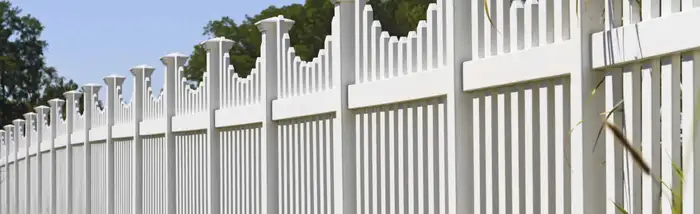
Vinyl has one of your lengthier sustainable lifetimes in fence components. Commonly enduring more than 30 years, plastic combats against corrosion, harmful termites, and wood rotting. It's available to you as privacy, classic picket, and steel wire type fences. Woven metal wire fences are akin to chain-link, although a little less long-lived. Whether using electricity or not wire fencing needs pretty continual upkeep to function efficiently, and may live ten to 16 years before complete replacing is vital. A step up beyond that shall be chain-link style fences. Unquestionably an economic method for marking the limits of properties, these type of fences, Austin claim a life-span of about 24 to thirty years. Concerning private pools, aluminum fencing material is preferred. Aluminum's alloy will be typically ultimately resistant to rust and dents, making it the most suitable choice for pool areas and kids' play-grounds. This might be exceptionally authentic when lined with the aluminum dust. Aluminum has a life expectancy of nearly 25 years. For the perfect solution for very heavy-duty fence material, choose a wrought iron fence, Austin. This industrial steel can resist damaging rain situations, melting, and physical damages. Virtually everything except rusting. Wrought iron fence Austin should live for over the average lifetime. Yet even iron loses out to the track record of picket fences in United States properties. Picket fences are regularly designed using hardwood or vinyl, with pros and negatives to each one. The average life-span for a picket fencing unit can be around 14 to 21 years. Lately composite wood fencing has become very well-known. While they might unfortunately appear rubbery, plastics contain all the strengths for vinyl material mixed with wood. Since they are resilient to wood rot, bugs, or high temperature damages, composite could last about 82 or so years.
.webp?v=7cfcb4b0-5966-4593-9d81-9a8166df0a90&height=100&fit=inside&quality=80)