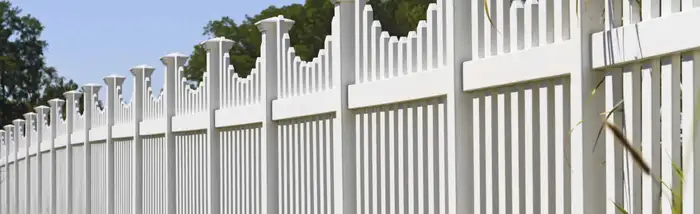
PVC has some of your longer lasting life times when it comes to fencing options. Generally enduring over 30 years, vinyl plastic combats against rust, invasive termites, and wood rot. It is on the marketplace today in privacy, standard picket, or chain-link kind of fences. Woven wire fences are similar to chain link, even though marginally less durable. Despite if it is conducting electricity or not woven wire fencing needs relatively continuous support to function properly, and will endure 13 - 16 years till overall replacement is vital. An upgrade from this might be chain link type fencing. Certainly an economic method for fencing off backyards, these kind of fences, Crystal River claim a lifetime of approximately 20 or 31 years. And with private pools, lightweight aluminum alloy fencing material is optimal. Aluminum's alloy may be typically naturally protected from rusting and damage, striving to make the metal the perfect option for pool areas and play-grounds. This is especially true when covered with the aluminum dust. Aluminum has a life expectancy of approximately twenty years. For the perfect solution for very sustainable fence construction material, try your wrought iron fence, Crystal River. This heavy duty steel shall withstand rain conditions, heat, or physical damage. Virtually anything except for oxidation. Wrought iron fence Crystal River can survive for well over a human life. But even iron loses out to the popularity of picket fences in North American family properties. Picket fencing are generally developed using either wood or vinyl, with positives and negatives to both. The typical life-span of your picket fencing unit is approximately fifteen and 20 years. Currently composite lumber fences have grown rapidly widely used. Even while it may regrettably seem rubbery, plastics contain all the advantages for vinyl plastic fused with wood. Since they are protected against rotting, pests, and high heat damage, composite might last about eighty or more years.
.webp?v=7cfcb4b0-5966-4593-9d81-9a8166df0a90&height=100&fit=inside&quality=80)