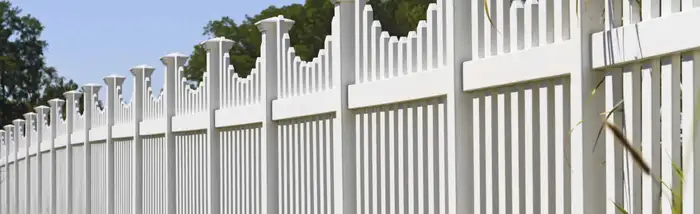
PVC maintains one of your lengthier sustainable life spans in fence components. Routinely surviving more than thirty years, PVC combats against corrosion, termites, and wood rot. It's in the market now as privacy, traditional picket, and steel wire design fences. Woven metal wire fencing is comparable to metal wired, however a little less long-lasting. Whether utilizing electricity or not wire fencing needs pretty continuous service to perform correctly, and can endure ten or 16 years prior to complete replacing is required. An upgrade beyond this might be chain-link design fences. Most certainly a financially trustworthy choice for establishing the limits of residences, these type of fences, Amboy have a life expectancy of around twenty to thirty years. Regarding the issue of private pools, aluminum fences are most ideal. Their alloy shall be pretty naturally resilient to rust and denting, helping to name the material the top fitted way to go for beach areas and kids' play areas. This might be exceptionally accurate if coated with the aluminum dust. Aluminum will have a life expectancy of nearly 25 years. When contemplating the ideal solution in especially sustainable fence construction material, try your wrought iron fence, Amboy. The commercial metal shall endure the elements, damaging heat, and material injury. Mostly anything apart from rusting. Wrought iron fence Amboy could survive for well over the average life. But metal manages to lose against the track record of picket fences in United States spots of residency. Picket fences are commonly produced from possibly wood or vinyl, having upsides and cons to either. The common lifespan for your picket fence is roughly fifteen to twenty years. Today composite wooden fencing has grown significantly more prevalent. While vinyl can unfortunately appear plastic, plastics hold all the plus sides of vinyl material combined with wood. Seeing as the materials could be tolerant against rotting, bugs, or heat problems, they would live approximately eighty plus years.
.webp?v=7cfcb4b0-5966-4593-9d81-9a8166df0a90&height=100&fit=inside&quality=80)