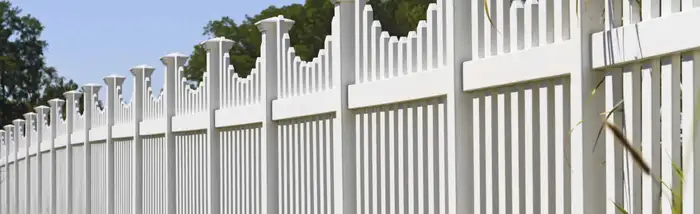
PVC has one of the lengthier sustainable life times when it comes to fence components. Ordinarily surviving around 30 years, PVC fights against rusting, termites, and wood rotting. It is on the marketplace today in privacy, conventional picket, and chain-link type fences. Woven wire fencing is comparable to steel wire, though somewhat less sturdy. Whether electrified wire fencing needs relatively consistent upkeep to perform efficiently, and could live 12 - 17 years until complete replacement is vital. A level up beyond this is chain link style fencing. Definitely an economic method for fencing off lawns, these style of fences, Barnum have a lifespan of about twenty to 32 years. Regarding private pools, lightweight aluminum alloy fences are the most appropriate. The metal's alloy is usually naturally resilient to oxidation and denting, entitling it as the most ideal solution for swimming pools and children's playgrounds. This is particularly accurate when it's coated with the aluminum dust. Aluminum would have a lifespan of nearly twenty years. When aiming for the best selection in really long-living fence construction material, try your wrought iron fence, Barnum. The heavy duty metal will tolerate damaging environmental situations, high temps, and physical injuries. Primarily everything apart from rusting. Wrought iron fence Barnum should survive for well over the average life. Nevertheless iron seems to lose against the track record for picket fencing in United States spots of residence. Picket fencing shall be generally produced using timber or vinyl, with positives and negatives to each. The general life expectancy of a picket fencing unit will be approximately fifteen to twenty years. Lately composite timber fencing has become rapidly much more prevalent. Even though vinyl may regrettably look cheap, plastics hold all the advantages of vinyl material merged with timber. Because the materials would be tolerant against wood rot, insects, and high heat deterioration, composite could last about 85 plus years.
.webp?v=7cfcb4b0-5966-4593-9d81-9a8166df0a90&height=100&fit=inside&quality=80)