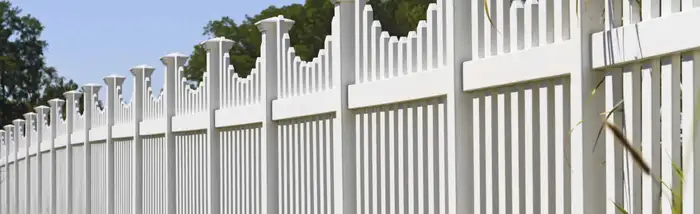
Vinyl has some of the lengthier enduring lifetimes in fence options. Usually enduring more than thirty years, plastic fights against oxidation, harmful termites, and wood rotting. It is conveniently available today as confidentiality, conventional picket, and chain-link design fences. Woven metal wire fencing design is comparable to steel wire, though a little less long-lasting. Whether implementing electricity or not woven wire fences need fairly persistent service to perform correctly, and will survive ten - 16 years before complete replacing is necessary. An upgrade from this shall be chain-link type fences. Unquestionably an economic option for fencing off yards, these design of fences, Manteno have a life expectancy of around 21 - 30 years. And with private pools, lightweight aluminum fencing material is suitable. Their alloy should be typically normally resistant to oxidation and damage, making it the most ideal way to go for open pools and kids' play areas. This is especially authentic if it's coated in aluminum's dust. Aluminum may have a longevity of an estimated twenty years. When aiming for the best option for really sustainable fencing metal, choose your wrought iron fence, Manteno. This commercial material shall handle the elements, extreme temperatures, and physical harm. Ultimately everything excluding oxidation. Wrought iron fence Manteno may endure for more than the average lifespan. However even metal seems to lose against the level of fame of picket fences in North American sites of residence. Picket fences could be generally produced using either wood or vinyl, having pros and cons to each. The average life-span of a picket fencing unit is about 15 or 21 years. Nowadays composite timber fencing has gotten very more preferred. Even while composite could unfortunately look rubbery, they hold the strong points for vinyl material fused with solid wood. And as they can be resistant to rotting, harmful termites, and heating deterioration, composite may last around eighty or more years.
.webp?v=7cfcb4b0-5966-4593-9d81-9a8166df0a90&height=100&fit=inside&quality=80)