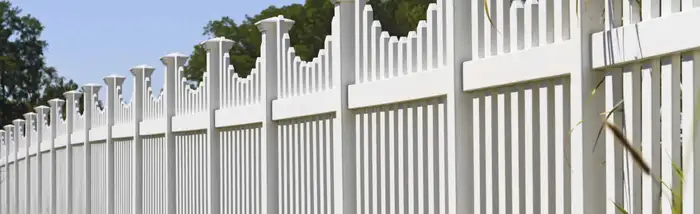
Vinyl plastic has one of your lengthier sustainable life spans in fencing components. Usually surviving around 30 years, vinyl plastic combats against rusting, termites, and wood rotting. It is conveniently available today in security, classic picket, or steel wire type fences. Woven metal wire fences are akin to chain-link, however somewhat less durable. Whether implementing electricity wire fencing needs relatively consistent servicing to operate correctly, and could survive ten - fifteen years before total replacing is mandatory. An upgrade from that should be chain link type fencing structures. Genuinely an economical solution for fencing off yards, these kind of fences, Harris have a life-time of approximately twenty or thirty years. Concerning the issue of open pools, lightweight aluminum alloy fences are ideal. Their alloy may be typically naturally protected from oxidation and damage, striving to name the metal the top matched option for pool areas and play-grounds. This might be particularly accurate when coated with aluminum's powder. Aluminum has a lifespan of approximately twenty years. When contemplating the perfect solution in really enduring fence metal, go with a wrought iron fence, Harris. This commercial alloy shall withstand bad climate situations, hot temperatures, and damages. Essentially anything apart from rust. Wrought iron fence Harris might exist for more than the average lifetime. Yet iron loses out to the track record of picket fencing in American family homes. Picket fencing are customarily designed using either wood or vinyl plastic, with positives and negatives to each one. The common life expectancy for your picket fence will be about 16 and 20 years. These days composite lumber fencing has grown considerably prevalent. Even though vinyl might unfortunately appear plastic, plastics hold the good points of vinyl plastic fused with lumber. As the materials are protected against decomposition, insects, or high temps problems, they shall live approximately eighty some odd years.
.webp?v=7cfcb4b0-5966-4593-9d81-9a8166df0a90&height=100&fit=inside&quality=80)