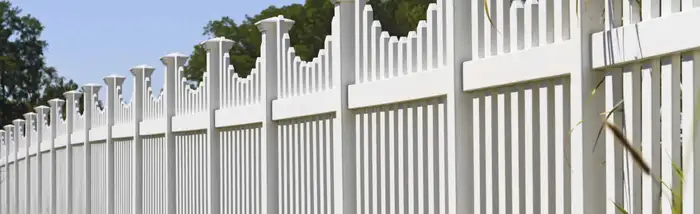
PVC has one of the lengthier sustainable life times in fencing options. Typically lasting over 30 years, vinyl plastic fights against corrosion rusting, termites, and wood rotting. This is available to you as privacy, traditional picket, and chain-link type fencing. Woven metal wire fencing construction is similar to metallic wired, even though slightly less sturdy. Despite if it's utilizing electricity or not wire fencing needs fairly continual care to function efficiently, and could endure ten to fifteen years before complete replacement is needed. An upgrade beyond that might be chain link design fencing. Undoubtedly an economical choice for marking the border of residences, these style of fences, Tremont claim a lifetime of roughly twenty or thirty years. Concerning private pools, lightweight aluminum fences are the most preferred. The metal's alloy might be pretty ultimately protected against rust and dents, helping to name it the top matched option for pool areas and kids' play areas. This is especially authentic when it's lined with aluminum's powder. Aluminum could have a lifetime of around 20 years. For the ideal solution for especially long-lasting fencing metal, try your wrought iron fence, Tremont. The industrial-grade iron can tolerate rain complications, high temperatures, and physical harm. Ultimately everything but rusting. Wrought iron fence Tremont could endure for more than a human lifetime. Although metal manages to lose against the track record of picket fences in U.S. family homes. Picket fences should be regularly developed from possibly hardwood or vinyl, having pros and downsides to each. The general life-span of your picket fence is roughly fifteen or 21 years. These times composite timber fencing has gotten gradually prevalent. Even though they might unfortunately appear cheap, plastics contain all the strengths of vinyl plastic blended with solid wood. Given that they are protected against wood rot, pests, and heating deterioration, composite shall live around eighty or so years.
.webp?v=7cfcb4b0-5966-4593-9d81-9a8166df0a90&height=100&fit=inside&quality=80)