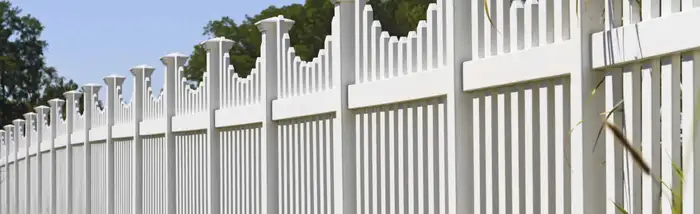
Vinyl maintains some of your longer sustainable lifetimes in fence options. Generally surviving more than 30 years, vinyl plastic combats against rust, termites, and wood rotting. It is in the marketplace today as privacy, popular picket, or chain-link style fencing. Woven wire fences are comparable to chain link, though slightly less sturdy. Whether conducting electricity or not woven wire fences need relatively persistent service to perform correctly, and may survive 13 - 15 years before overall replacing is necessary. An upgrade beyond that is chain link design fences. Genuinely an economic solution for drawing residential lines, these kind of fences, Mount Pulaski boast a lifespan of approximately 21 - thirty years. And with open pools, lightweight aluminum alloy fences are preferred. Their alloy is usually ultimately resistant to rusting and denting, making it the most ideal way to go for beaches and play areas. This can be especially authentic if it is covered with aluminum's dust. Aluminum has a longevity of around twenty years. For the ultimate option for very long-lasting fence material, choose your wrought iron fence, Mount Pulaski. The industrial-grade material shall endure the elements, heat, or actual denting. Largely everything except corrosion. Wrought iron fence Mount Pulaski could last for over a human lifetime. But metal loses out to the track record of picket fences in American places of residency. Picket fencing may be typically built from either lumber or vinyl plastic, having pros and negatives to each one. The general lifetime of your picket fence is roughly fifteen or twenty years. Lately composite timber fences have become significantly more sought after. Even while they can regretfully seem rubbery, they have all the advantages of vinyl blended with solid wood. Seeing as they should be tolerant against rotting, bugs, or heating damage, they should endure around 82 or so years.
.webp?v=7cfcb4b0-5966-4593-9d81-9a8166df0a90&height=100&fit=inside&quality=80)