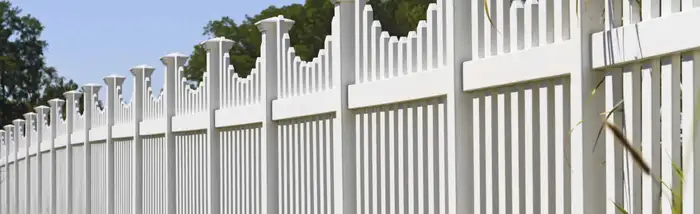
Vinyl has some of the lengthier lasting life times in fencing components. Generally enduring around thirty years, vinyl battles against corrosion rusting, harmful termites, and rotting. It's in the market now as privacy, standard picket, and steel wire style fencing. Woven metal wire fencing is similar to metallic wire, although slightly less long-lived. Whether electrified or not woven wire fencing needs fairly consistent standard maintenance to work efficiently, and could live 12 to 15 years till total replacement is necessary. A level up from this is chain-link style fencing. Definitely an economic choice for establishing your limits of residences, these type of fences, Parker offer a life-span of roughly twenty or 31 years. Regarding the issue of swimming pools, lightweight aluminum alloy fences are most suitable. Their alloy may be usually somewhat resistant to oxidation and damage, making it the best suited option for beaches and playgrounds. This is exceptionally true if covered with aluminum's dust. Aluminum may have a lifespan of an estimated twenty five years. For the top choice in especially sustainable fence material, choose a wrought iron fence, Parker. This heavy duty material shall survive unfavorable environmental complications, hot temperatures, or destruction. Largely everything excluding rusting. Wrought iron fence Parker shall live for over the typical life. Yet even iron loses out to the track record for picket fencing in North American properties. Picket fences shall be oftentimes built using lumber or vinyl plastic, with upsides and downsides to both. The ordinary life expectancy of a picket fence will be around fifteen or 21 years. Today composite lumber fences have grown extremely more well-known. Even while it might unfortunately appear cheap, they contain all the strong points of vinyl plastic fused with solid wood. Seeing that the materials are resilient to decomposition, bugs, or scorching heat damages, plus they can last around 80 or so years.
.webp?v=7cfcb4b0-5966-4593-9d81-9a8166df0a90&height=100&fit=inside&quality=80)